Betta Font for Web Design and Branding
Betta is a beautifully crafted handwritten font that brings elegance and charm to any digital design. As a web designer, I've found it to be an excellent choice for projects that require a personal and artistic touch. Its natural flow and character make it ideal for creating visually engaging layouts without sacrificing readability.
Visual Characteristics of Betta
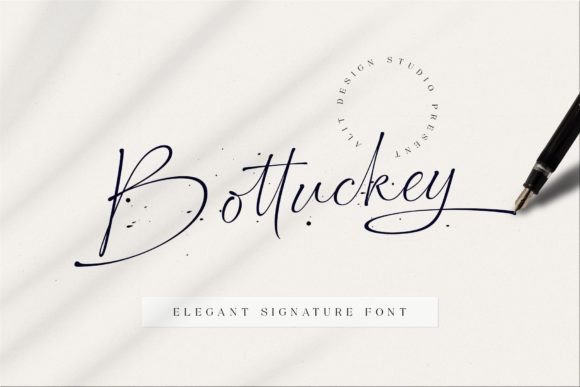
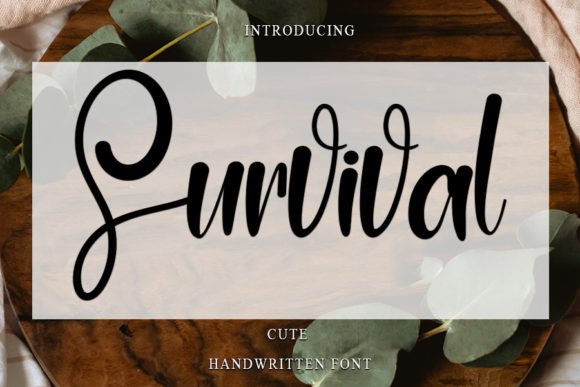
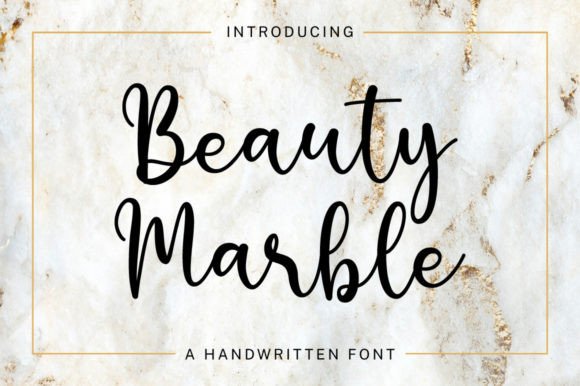
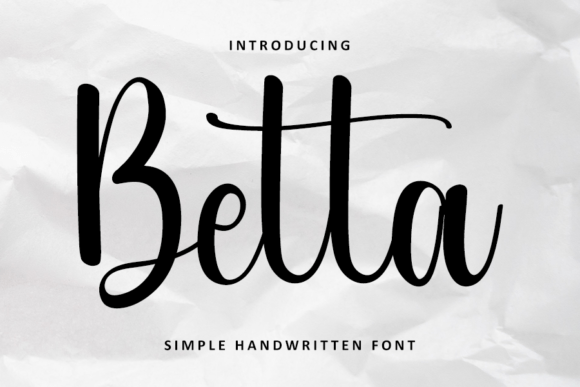
Betta has a soft, flowing script style that mimics the look of hand-written text. It features subtle variations in stroke weight and organic curves, giving it a warm and approachable feel. The PUA encoding allows for access to a wide range of glyphs and swashes, making it versatile for creative expressions and decorative elements.
This font carries a personality that's both sophisticated and friendly. It's perfect for websites or branding that aim to convey creativity, authenticity, and a sense of craftsmanship.
Using Betta in Web Design
When designing website headers, hero sections, or landing pages, Betta can serve as a strong visual anchor. Its unique style helps draw attention and creates a memorable first impression. For instance, using Betta on a boutique online store’s banner can evoke a sense of exclusivity and personalization.
For call-to-action areas, Betta works well when used sparingly. It adds a touch of elegance to buttons or links without overwhelming the user. On a coaching website, Betta can be used for headlines or taglines, reinforcing the brand’s message of guidance and support.
In blog graphics or course sales pages, Betta can enhance the visual appeal of section headings and promotional content. Its legibility ensures that key messages remain clear even in more decorative contexts.
Readability and Visual Hierarchy
While Betta is a display font, its readability is surprisingly good, especially when used at appropriate sizes. For mobile screens and responsive layouts, it's essential to ensure that Betta doesn't compromise the overall usability of the site. When pairing with other fonts, such as a clean sans serif typeface for body copy, Betta maintains its role as a decorative accent while supporting the main content.
Its use should be strategic—reserving it for titles, headings, and short phrases rather than lengthy paragraphs. This approach helps maintain a balanced visual hierarchy and improves scanning behavior on the page.
Brand Tone and User Engagement
The tone of Betta aligns well with brands that want to appear creative, trustworthy, and professional. It adds a human element to digital interfaces, which can increase user engagement and foster a stronger emotional connection with the audience.
On a portfolio site, Betta can be used for project titles or client testimonials, reinforcing the designer’s individuality and attention to detail. In digital ads or social media graphics, Betta contributes to a cohesive brand identity by maintaining consistency across all platforms.
Font Pairing and Design Best Practices
Pairing Betta with complementary fonts is crucial for achieving a harmonious layout. A simple sans serif font like Helvetica or Arial can provide contrast and clarity, ensuring that the design remains accessible and modern. For editorial designs, a serif font might offer a more refined look, depending on the brand's aesthetic.
It's also important to consider the context of use. For example, Betta may not be suitable for small buttons or dense text blocks due to its stylized nature. Always test how it looks on different backgrounds, including dark and light modes, to ensure optimal visibility and contrast.
Practical Applications and Licensing
Betta is a premium font that can elevate the visual quality of various digital products. Whether you're designing a product landing page, a digital brand kit, or a creative portfolio, Betta offers a unique way to express your brand’s voice.
Before using Betta for commercial projects, always verify the licensing terms. Ensure that the font is permitted for use on websites, online stores, landing pages, and other digital assets. Proper licensing protects both the designer and the client from potential legal issues.
Additionally, check for available styles, weights, and multilingual support if needed. These factors can influence how effectively Betta integrates into a broader design system or global brand strategy.
As a designer, I recommend testing Betta in real-world scenarios to see how it performs in different contexts. Its versatility makes it a valuable asset in any designer's toolkit, especially when aiming to create a distinctive and memorable brand experience.